Showing posts with label Reading. Show all posts

Friday, May 3, 2019

Extra Reading Notes: Three Supernatural Stories

-Witches at the Cross
-Joe heard of old women who climb up and down crosses so he rode his horse to go see
-he made a circle with blessed chalk
-when he stepped outside the circle the witches chased him to his house
-they couldnt go any further but one threw a burning broom at him

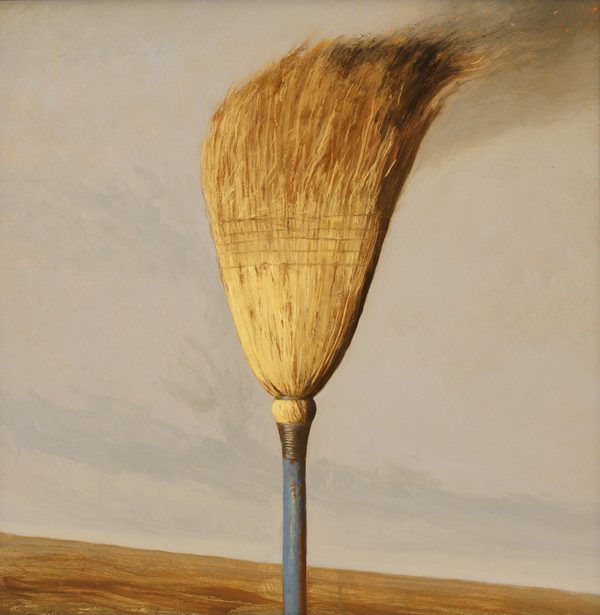
Burning Broom. Source: Bo Bartlett

-The With and the Horseshoes
-there was a farmers wife who was a witch
-she grew restless after a holiday so she flew up a chimney
-the farmer seeing this from afar, did the same thing after her
-to hide she became a horse
-he mounted the horse and took it to the smith to put horseshoes on it
-the next day, the women had on 4 horseshoes

-The Haunted Mill
a rope dancer and some monkeys went to a haunted mill
-a man came into the mill with fish which the monkeys tried to steal
-the man slapped the monkey away
-the rope dancer had a bear which ran over to get the fish
-the man slapped it away
-the bear didnt like that and gave the man a beating and drove him out


"Three Supernatural Stories" from The Key of Gold by Josef Baudis (1922).

Thursday, May 2, 2019

Reading Notes: Vainamoinen and the Mistress of Pohjola

-Vainamoinen swims in the open ocean for 9 days and his toenails were falling off
-V exclaims how unlucky he his to live this type of life and how he can't build a house in the water
-an eagle from Lapland spots V and asks V what brought him here
-V says that he was looking for the maid of Pohja and that he fell in the water when someone shot his horse out from underneath him
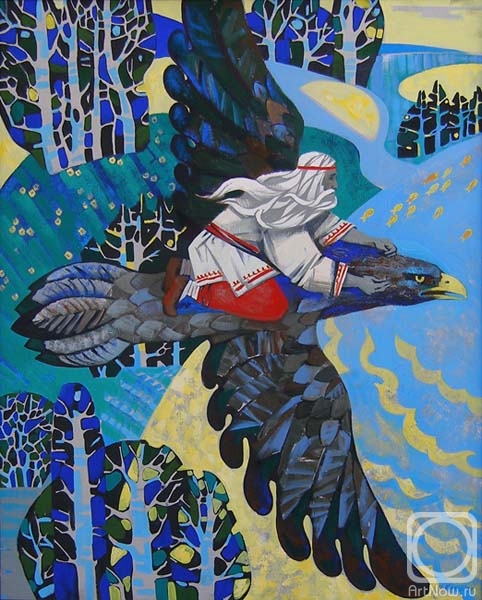
-the eagle said he remembered when V saved the tree from being cut down for the birds so he would let V climb on his back and fly him wherever
-V mounted himself on the eagle's back
-it flew V to Pohja and then left

"Flight of Vainamoinen" by Kolobova Margarita, 2013. Source: Art Now

"Vainamoinen and the Mistress of Pohjola" from Kalevala by Elias Lönnrot, translated by W. F. Kirby (1907).

Wednesday, May 1, 2019

Reading Notes: Vainamoinen Goes Fishing

-the news spread of the maiden who perished
-Vainamoinen deeply mourned her loss
-he went to a lake and asked Untamo the sleeper where swell the fair maidens
-Untamo answered near the cloud-encompassed headband, near the ever misty island...
-V checked his fishing gear and made his way there in his boat
-then he began fishing in the cape with clouds encompassed and near the ever misty island
-he caught a salmon-trout early in the morning
-he remarked how it was unlike any fish he had ever seen
-he drew his knife with the intention of cutting it up and eating it for breakfast
-the fish sprang to life and jumped from the boat
-it said, "surely I haven't come here in the form of a salmon in order to become your breakfast."

Vainamoinen. Source: Alchetron

"Vainamoinen Goes Fishing" from Kalevala by Elias Lönnrot, translated by W. F. Kirby (1907).

Monday, April 29, 2019

Extra Reading Notes: The Two Corpses

-a soldier was heading home on leave when he had to pass a graveyard in the middle of the night
-he heard a voice running up behind him saying, "Stop! You can't escape!"
-the soldier saw it was a corpse chasing him so he B-lined it towards a little chapel
-in the chapel was another corpse and no one else
-the soldier hid in the corner
-the first corpse ran in
-the corpse on the table rose and asked the other, "What hast thou come here for?"
-He said that he had chased a soldier into the chapel and that he was going to eat him
-The second corpse argued that the soldier had run into his house so it would eat him itself
-"No! I shall!"
-"No! I shall"
-The corpses began to fight
-they fought for so long that with the coming of morning, they fell lifeless
-the soldier went on his way home

"Skeletons Fighting" by Theodore Major. Source: Pinterest

"The Two Corpses" from Russian Folktales unit. Story source: Russian Fairy Tales by W. R. S. Ralston (1887).

Thursday, April 25, 2019

Reading Notes: The Fox and the Horse

-A farmer had a horse that had grown old and weak so he turned it out of the stable
-while the horse was seeking a shelter in the woods, he met a fox who asked him why he was so sad
-the horse tells the fox that his master will not take him back unless he becomes stronger than a lion
-the fox told the horse to pretend to be dead
-the fox went to the lion and told it of a dead horse
-the fox says the lion can eat the horse more comfortably in his cave so he ties the horse to the lion
-the fox managed to tie his legs together
-the fox then told the horse to go
-the horse dragged the lion back to his masters house
-his master relented and took care of him till the end of his life

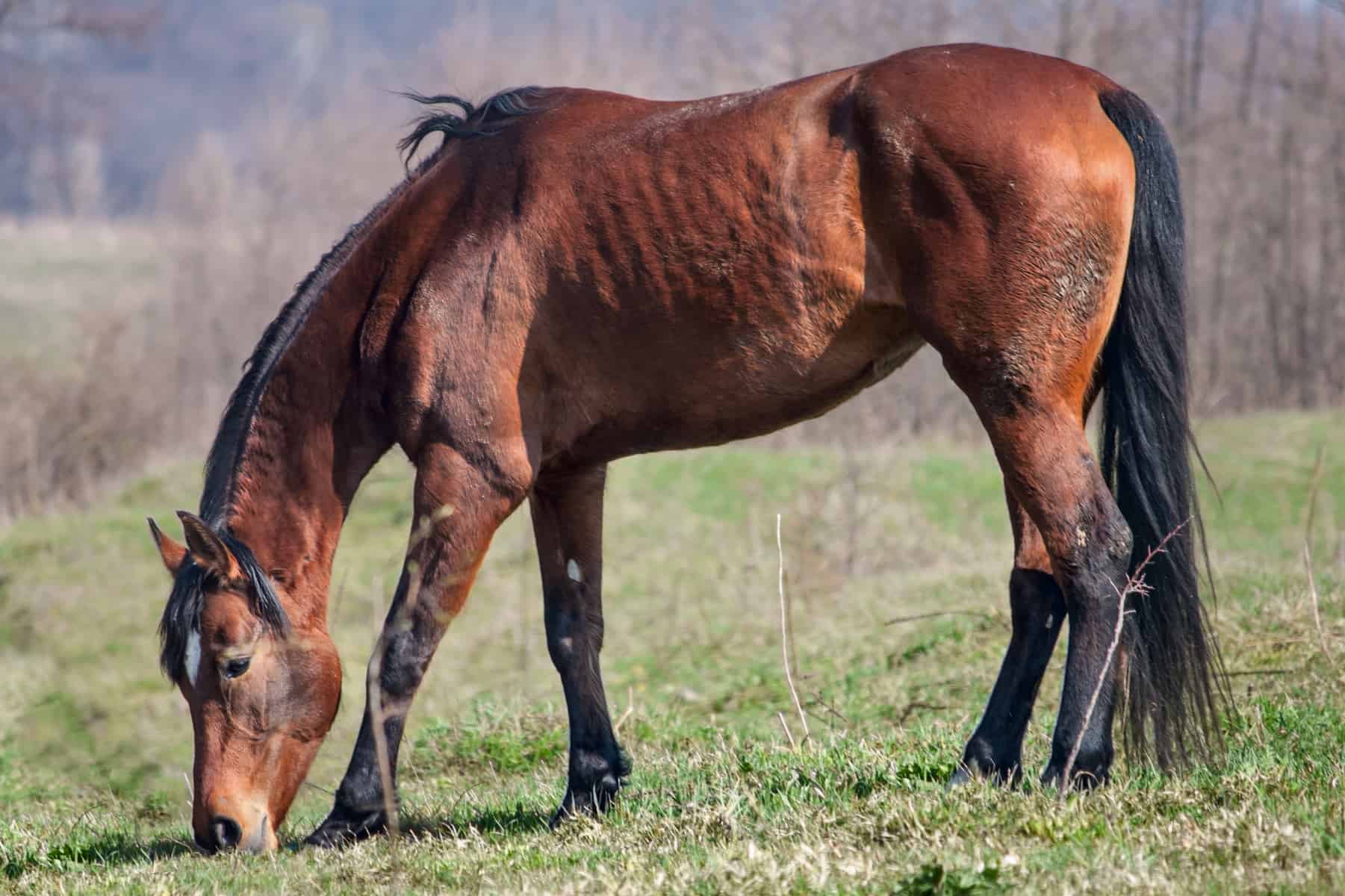
An elderly horse. Source: The Horse

"The Fox and the Horse" from Fairy Tales by the Brothers Grimm, an audiobook recording available at LibriVox based on a Project Gutenberg publication.

Wednesday, April 24, 2019

Reading Notes: The Straw, the Coal, and the Bean

-there was a poor woman who decided to build a fire on her hearth to cook some beans
-a piece of straw fell from the bundle, a bean from the pan, and a piece of coal from the fire
-each tells the other how they were almost destroyed by the old woman
-to escape her, they decide to run away to a foreign country
-on their journey, they come to a brook which they must cross
-the straw lays itself out to form a bridge
-the coal starts to cross but becomes scared half way and stops
-the straw burns because of this and the two fall in the brook and are swept away
-the bean seeing this, laughed so hard it burst
-a tailor happened to be passing and because he had compassion for the bean, he sewed the bean back together
-he only had black thread though
-this is why every bean has a black seam

Black-eyed Peas. Source: Wikimedia Commons

"The Straw, the Coal, and the Bean" from Fairy Tales by the Brothers Grimm, an audiobook recording available at LibriVox based on a Project Gutenberg publication.

Monday, April 22, 2019

Extra Reading Notes: Dnieper, Volga, and Dvina

-the Dnieper, Volga, and Dvina rivers used to be people: a boy and his sisters respectively
-they were orphans who never had anything to eat
-life was a burden for them as they had to toil in the nude just to get the day's subsistence
-one day they sorrowed over their little morsel of bread and thought of ways to provide more
-they decided to turn into great rivers
-they decided their paths and went to sleep to start flowing the next morning
-the sisters however chose the best paths while their brother Dnieper was asleep
-in pursuit of his sisters, Dnieper flowed fiercely through steep banks
-that is why the Dnieper is swifter and has more rapids than the Volga and the Dvina

Dnieper Rapids. Source: Wikimedia Commons

"The Metamorphosis of the Dnieper, the Volga, and the Dvina" form Russian Fairy Tales by W. R. S. Ralston (1887).

Wednesday, April 17, 2019

Reading Notes: Sir Lancelot Meets Sir Galahad

-Lancelot heard a voice in his sleep that told him to rise, take his armor, and board the first ship he saw
-He rose, put on his armor, and soon found a ship without sail or oar
-He felt a sweetness like no other and fell asleep
-when he woke, there was a bed near him and in it lay the dead sister of Sir Percivale and in her hand was the story of her adventure which he took and read
-he remained afloat for a month until the ship came to rest near the shore
-there, a knight was riding and having seen the ship, stopped to board it
-the knight asked for Sir Lancelot du Lake's name
-wouldn't you know it, the knight turns out to be Sir Galahad, the son of Sir Lancelot
-the two share their adventures from the time they left King Arthur's Court
-they stayed in the ship for 6 months until it comes to rest on the edge of a forest
-there, a knight with white armor and two horses
-the knight said that Galahad had spent enough time with his father and that it was time for G to go on the quest for the Holy Grail
-A voice told them that they would not see each other again so they said their goodbyes and Galahad went on
-Lancelot returned to Camelot where he found that over half of the Knights of the Round Table had been slain

Sir Galahad by George Frederic Watts. 

"Sir Lancelot Meets Sir Galahad" from King Arthur: Tales of the Round Table by Andrew Lang and illustrated by H. J. Ford (1902).

Reading Notes: The Sword Excalibur

-Arthur was being beaten in a fight with the tallest knight
-Merlin put a charm on the knight and took Arthur to a hermit to get healed
-As Arthur and Merlin left, Arthur realized he had no sword
-Merlin said he would get him one
-As they rode past a lake, an arm rose from the water holding a sword
-The Lady of the Lake came to the shore to speak with Arthur
-Arthur asked for the sword
-She said she would give it to him if he would give her a gift when she asked
-She directed Arthur to take a boat to the sword and she would ask for her gift in her own time
-Arthur and Merlin rowed out and retrieved the sword
-Merlin asked which Arthur liked more, the sword or the scabbard
-Arthur said he liked the sword
-Merlin said that was unwise as the scabbard was worth ten of the sword
-the scabbard, as long as it was bucked on Arthur, allowed him to lose no blood whatever the wound
-they then rode of to the town of Carlion

King Arthur Asks the Lady of the Lake for the
 Sword Excalibur, illustration by Walter Crane.

"The Sword Excalibur" from King Arthur: Tales of the Round Table by Andrew Lang and illustrated by H. J. Ford (1902).

Monday, April 15, 2019

Reading Notes: The Three Roses

-once there were 3 sisters
-their mother asked them if there was anything they wanted
-the first two asked for a great many things
-but the third, Mary, only asked for 3 roses
-the mother went out and bought a great many things for the first two sisters
-but night fell on her way home
-she wandered off the path back to their home and came upon a great castle with beautiful roses
-remembering the third sisters wish, the mother took 3 roses
-out came a basilisk which demanded the roses be paid for with the daughters life
-the mother obliged and brought back the third sister
-the basilisk demanded that the girl nurse him for 3 hours every day
-she obliged and on the third day of nursing, the basilisk came back with a sword
-it demanded the girl cut off its head
-she obliged and out came a snake
-it too demanded she cut off its head
-she obliged and from the snakes head came a handsome young man holding golden keys
-he said that the castle was his and that the woman must marry him
-she happily obliged

A Basilisk. Source: Wikimedia Commons

"The Three Roses" from Czech Folktales unit. Story source: The Key of Gold by Josef Baudis (1922).
Thursday, April 11, 2019

Reading Notes: Beth Gellert

-a prince had a greyhound he very fond of saying it was a lamb at home, but a lion on the chase
-on one day, the prince blew his horn to call his dogs to hunt
-all came except Gellert
-he went without the dog and when he came back, Gellert came to meet the prince
-the dogs face and and teeth were covered in blood
-fearing the absolute worst, the prince rushed towards is infant sons nursery
-the closer he got, the more blood and disorder
-reaching the nursery, he saw signs of conflict but couldn't find his son
-thinking the dog was a monster, the prince took his sword and thrust it in Gellert
-With Gellert dying yell came a baby's cry
-his son was asleep under the cradle next to a slain great wolf, realizing that Gellert had actually saved his son
-but it was to late to save Gellert
-to honor the greyhound, the prince buried it in front of the castle so passers-by might see the memorial
-the monument was called Beth Gellert, or the Grave of Gellert.

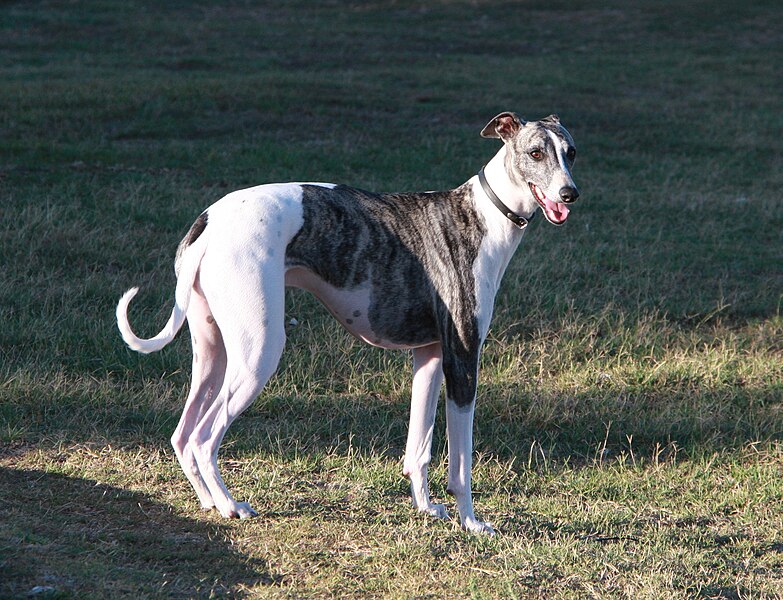
A Greyhound dog. Source: Wikimedia Commons

"Beth Gellert" from Celtic Fairy Tales by Joseph Jacobs with illustrations by John D. Batten (1892).

Wednesday, April 10, 2019

Reading Notes: The Shepherd of Myddvai

-a shepherd led his flock near a lake
-from the water, came 3 maidens most beautiful
-he offered one his bread
   -she said it was hard-baked
-the next day, he offered her another piece
   -she said it was unbaked
-the next day, he offered her a piece he found in the lake
   -she was pleased and said that she would marry him if he could tell her apart from her sisters the next day
-the next day, he recognized her by her sandals and they were married on the condition that he does not strike her 3 times without reason
-she gave 3 cows, 2 oxen, and one bull as her dowry
-they had 3 children
-one day, he lightly tapped her on the shoulder which she said was strike 1
-when she was crying another time, he tapped her on the shoulder to ask what was wrong which was strike 2
-at a funeral she began to laugh, so he nudged her on the shoulder which was strike 3
-she left taking her animals back into the lake
-she came back only one time when her sons were men to give them healing abilities

Shepherd with Sheep by Thomas Sidney Cooper (1868). 

"The Shepherd of Myddvai" from Celtic Fairy Tales by Joseph Jacobs with illustrations by John D. Batten (1892).

Wednesday, April 3, 2019

Reading Notes: Tungujuluk and Saunikoq

-T and S were both wizards
-T could turn into a walrus and S could turn into a bear
-T had a son but S did not
-T taught his son how to kayak which made S jealous
-S went hunting seal as usual but when he came to T's house he turned into a bear and scared T's son
-T went to stab the bear but then it laughed and he realized is was S
-T waited a long time to get S back
-When S went hunting for seals, T turned into a walrus
-he let S think he had him but then took all his line and his air bladder
-later that night when the hunters were all eating at T's house, they told each other about their days
-when S said he had his line and bladder taken by a walrus, T brought them out and said this line and bladder
-S was so embarrassed he went away and was never seen again

A Walrus. Source: Wikimedia Commons

"Tunguujuluk and Saunikoq" from  Eskimo Folk-Tales by Knud Rasmussen with illustrations by native Eskimo artists (1921).

Tuesday, April 2, 2019

Reading Notes: The Giant Dog

-there was a man who had a dog so big it could haul narwhals
-the man put throngs through its jaws so that he could mount and ride it
-the man wished to have a son but never did so he put the amulet meant for his son around the dogs neck
-the dog once ate a man so the man who owned him had to move elsewhere
-once a stranger came so the man had to take the dog far away and give it a giant bone to gnaw on
-but the dog smelt the stranger so he was sent away because the dog was so fierce
-the man had many enemies because of the dog
-one of them rode to the mans house with 3 dogs that were big as bears to kill the giant dog
-the giant dog pretended to act scared but then surprised the 3 dogs and crushed their skulls
-the man noticed that the dog would sometimes wander off
-it would then return with the leg of an inland-dweller
-it was because of this dog that all inland-dwellers had a fear of dogs
-but it was okay, because inland-dwellers were known to carry off anyone stranded in the fog

Clifford the Big Red Dog. Source: Flickr

"The Giant Dog" from Eskimo Folk-Tales by Knud Rasmussen with illustrations by native Eskimo artists (1921).

Thursday, March 28, 2019

Reading Notes: The Culture Heroes and Owl

-two boys go to their grandmother and ask for something to play with
-she tells them to go to their father
-their mother tells their father that they are coming
-he tells them to sit by the fire while he makes them a hoop and poles
-he tells the boys not to role it towards the north
-they end up rolling the hoop toward the north  and into the house of the owl
-the owl tells his wife to boil the boys so he may eat them
-she throws them in the pot where they tell each other stories
-she pokes at them and they jump out
-she then tries to roast them in the fire but they continue to tell each other stories
-when she pokes at them they jump out
-the owl claims they are practicing magic and gives them back their hoop and poles and sends them away
-when they get back home their father scolds them for rolling the hoop to the north

Hoop and Pole game. Source: Flickr

"The Culture Heroes and Owl" from Jicarilla Apache Texts edited by Pliny Earle Goddard (1911).

Wednesday, March 13, 2019

Reading Notes: The King and the 'Nsiat Bird

-King of Idu was very rich and Adit, the daughter of a 'nsiat bird (weaver bird), was very beautiful
-the king wanted to marry Adit so he talked to her father
-the father said that he would be honored but he knew that his daughter would give birth to twins
-the problem with this was that it was their custom to kill twins and exiled the mother
-despite this, the king still wished to marry Adit so he paid a handsome dowry and held a feast
-at he feast he showed how rich and powerful he was
-in due time, Adit gave birth to twins as her father said
-the king was fond of his kids but could not resist the custom
-the father reminded the king that he had warned him of this and told the king that he and his family would leave and take to the skies with Adit and the twins
-the king, not wanting to kill the twins, agreed to this
-but because the family had lived in the town, they made their homes within the trees in town
this is why you always see weaver birds making their nests around human being's towns

An African weaver bird making its nest. 

"The King and the 'Nsiat Bird" from Folk Stories From Southern Nigeria by Elphinstone Dayrell (1910).

Reading Notes: Why the Hawk Kills Chickens

-hawks have great eyes and can see anything that moves
-the hawk sees a pretty hen so he descends and perches on a fence
-he asks the hen to marry him
-she agrees and he pays her parents a dowry of a large amount of corn
-she leaves with him
-the next day, a rooster who was in love with the hen sees that she is gone
-the rooster seeks out the hen and crowed his best crow for her
-the hen couldn't resist and the two go back to the parents home
-But, the hawk was soaring high and out of sight from the chickens and saw all of this
-he went to the king who said the chickens should pay back the dowry
-but, be the chickens were poor, they could not
-so the hawk was allowed to kill and eat any of the roosters children as repayment of his dowry
-that is why the hawk eats the chicken, to pay of a dowry

Foghorn Leghorn and Henery Hawk. Source: Pinterest

"Why the Hawk Kills Chickens" from Folk Stories From Southern Nigeria by Elphinstone Dayrell (1910).

Thursday, February 28, 2019

Reading Notes: The Eight-Forked Serpent of Koshi

-Susa-no-wo saw a chopstick floating down the river so he decided to see where it came from
-He came across an old man and woman weeping over a maiden
   -they descended from the Mountain-God
-Susa-no-wo finds out from the man that an 8 forked serpent has taken his 8 daughters and will now surely take his last
-the serpent has red eyes, blood-inflamed body, 8 heads, and 8 tails
   -its so big that trees grow on its back
-Susa-no-wo says he will slay the serpent for the mans daughter's hand in marriage
   -apparently he is the brother of the Sun Goddess
-the two elder deities agreed
-Susa-no-wo transformed the maiden into a comb which he put in his hair
-He made 8 large vats of very strong sake
-the serpent came and drank up the sake becoming very drowsy
-in the serpents drunken state, Susa-no-wo cut the serpent into 1000 pieces and found a divine sword within it
-he turned the comb back into the maiden
-Like high ramparts manifoldLo the clouds appear:
On all sides they firm enfold
Kushinada dear,
Prisoned mine for e’er to hold
In their ramparts manifold!

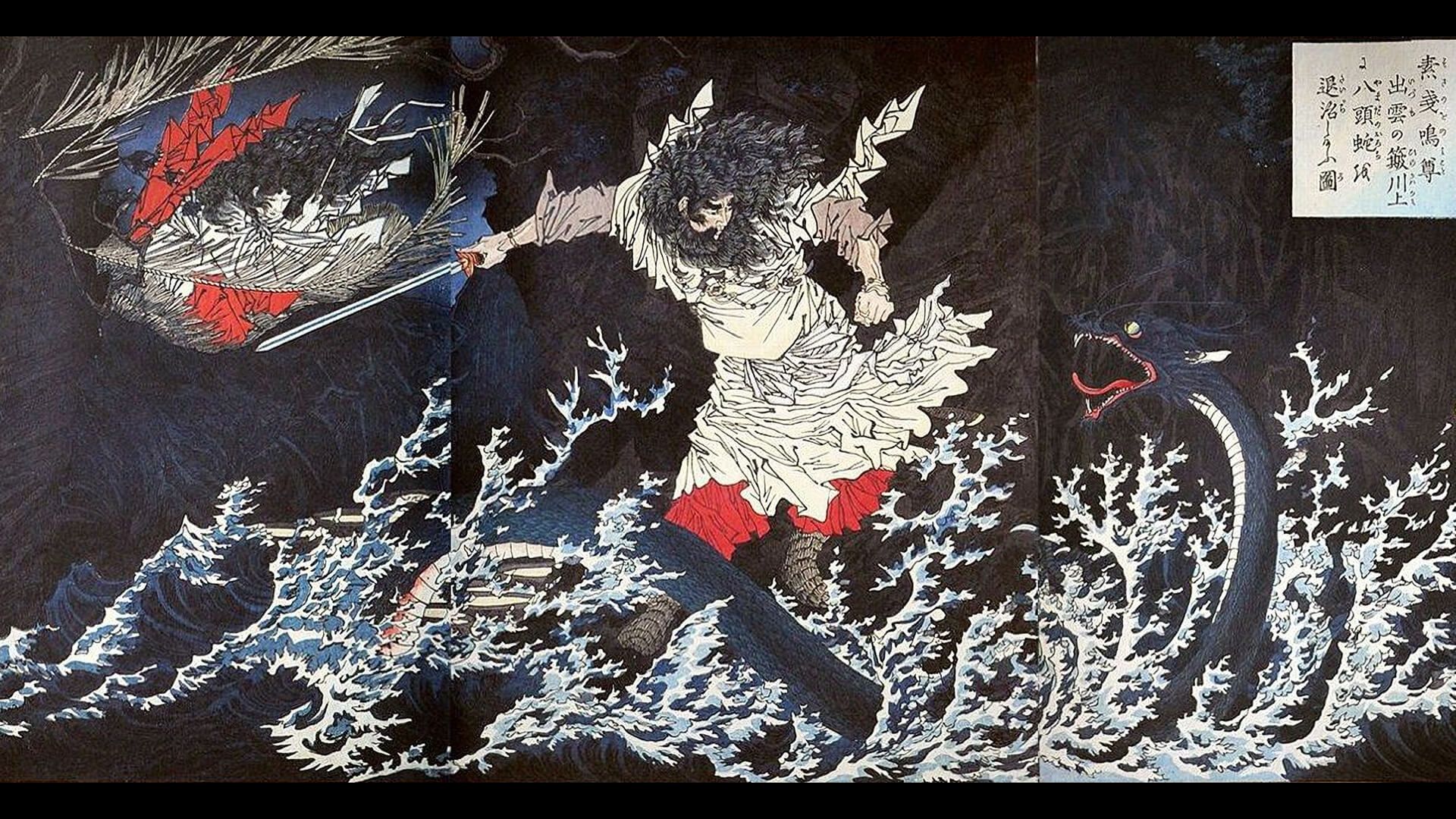
Susa-no-wo's Struggle. Source: Wikimedia Commons

"The Eight-Forked Serpent of Koshi" from Romance of Old Japan, Part I: Mythology and Legend by E. W. Champney and F. Champney (1917).

Tuesday, February 19, 2019

Reading Notes: Third Voyage, Part 1

-Sinbad sets sail on his third voyage
-The winds drive his ship to the harbor of a strange island
-the island was populated by short, hairy, and barbarous savages
   -they stood 2 feet tall and were covered in reddish fur. they spoke a strange language unknown to Sinbad
-the savages commandeered the ship and dropped the sailors off on another island close by
   -the sailors cant stop the savages because they don't speak they're language and they know that if they harm any of the savages, they will swarm the sailors and kill them all
-after wandering a ways and eating fruits along the way, they reach a large, well-built castle
-they go inside to find a pile of human bones and spits for roasting
-being terribly scared, a giant cyclops makes his way to them
-he picks out the fattest of the sailors, roasts him, then eats him
-the cyclops then takes a nap, wakes, and leaves

An Ewok from Star Wars. Source: Wikimedia Commons

"Third Voyage" from The Arabian Nights' Entertainments by Andrew Lang and illustrated by H. J. Ford (1898).

Thursday, February 14, 2019

Reading Notes: The Tale of King Rhampsinitus

-Rhampsinitus built the western portion of the temple of Ptah and two statues to Summer and Winter
-he ordered for a stone warehouse to be built for his treasure
-one of the builders made it where a stone could be removed from the outside in order to get inside
-the man became ill so he told his two sons about the stone
-the sons went to take some treasure at night
-the king was astonished that his treasure continued to disappear while the seals remained intact so he set traps
-on their next raid, one of the brothers got caught in a trap
-he decided that to save his brother, he must have his head cut off so no one would recognize him
-his brother did so
-the king hung the body from the palace to see who would come to mourn
-the mother of the brothers told her surviving son to retrieve the body
-using donkeys carrying wine, he tricked the guards and got them drunk
   -he shaved their right cheek before leaving with his brother's body
-the king told his daughter to find the criminal
-she said she would be the brothers bride if he told her the most artful and most wicked things he has done
-he told her about cutting off his brothers head and tricking the guards
-the princess tried to seize him but she grabbed the severed arm of the dead brother and he escaped
-the king was genuinely impressed with with the man's cunning so he promised to pardon him if he were to come forward
-he lived happily ever after, marrying the kings daughter and working in the kings court

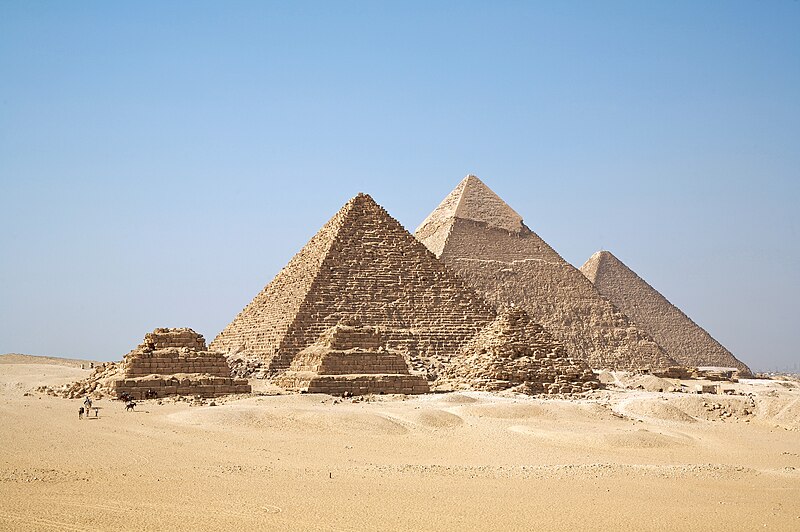
The Pyramids at Giza. Source: Wikimedia Commons

"The Tale of King Rhampsinitus" from Egyptian Myth and Legend by Donald Mackenzie (1907).